
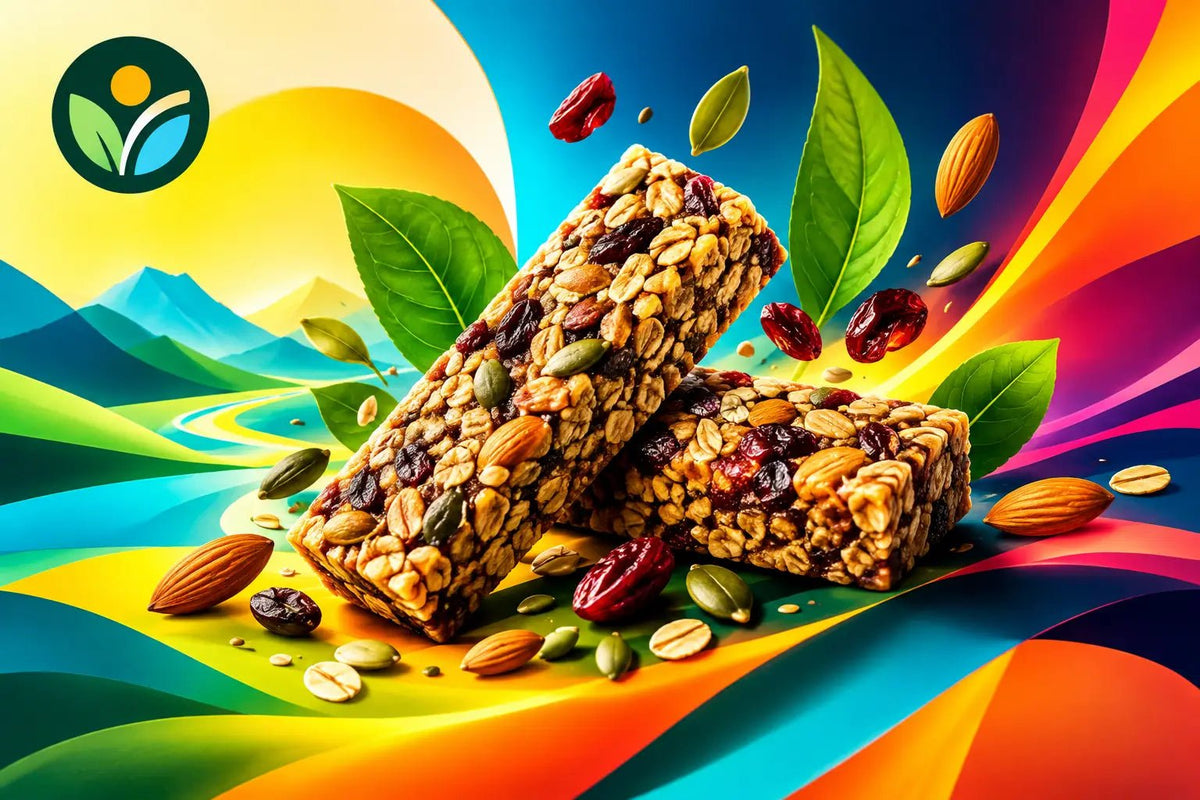
Best Plant Based Snack Bars for Real-World Energy
The best plant based snack bars earn their spot in your pack, desk drawer, or gym bag long before the wrapper comes off. They need to taste like real food, travel well, and bring enough staying power to carry you through a steep trail, a back-to-back meeting day, or the hungry hour between school pickup and dinner. A bar can be convenient without feeling like a compromise.
The category is crowded with lofty claims, dessert-level sweetness, and ingredient lists that read more like a lab formula than a snack. The smarter move is to choose bars with a clear purpose: satisfying plant-powered fuel made with ingredients you recognize and flavors you actually want to eat again.
What Makes the Best Plant Based Snack Bars Different?
A great plant-based bar is not simply a conventional snack bar with dairy removed. It should be thoughtfully built around whole-food ingredients that bring something to the table: nuts and seeds for texture and fats, fruit for naturally bright flavor, oats or other grains for substance, and plant proteins that help make a snack feel more complete.
That balance matters because energy is personal. A quick, fruit-forward bar may be just right before an easy morning walk. A more substantial bar with protein, fiber, and satisfying fats may make more sense when lunch is far away or your trailhead is another hour down the road. There is no single ideal nutrition panel for every moment.
Flavor matters just as much. If a bar tastes flat, chalky, or overly sweet, it will eventually become the emergency snack you avoid until there is nothing else around. The best choices bring a sense of place and pleasure to the routine. Think toasted coconut, sunny mango, banana and cacao, citrusy ginger, or the earthy richness of tropical fruit.
Start With the Ingredients You Can See
Turn the wrapper over before you commit to a box. A shorter ingredient list is not automatically better, but it can make it easier to understand what you are eating. Look for recognizable building blocks and ask what each one contributes to the bar.
Dates, fruit, oats, nuts, seeds, and nut or seed butters can provide chew, sweetness, texture, and sustained satisfaction. Plant protein from ingredients such as peas, pumpkin seeds, or brown rice can be useful when you want a more filling option. A touch of sea salt, spice, cacao, or tropical fruit can make those functional ingredients feel like a real snack instead of a nutrition assignment.
Be mindful of the trade-offs. Some bars are naturally sweetened but still high in total sugar because dried fruit is concentrated. Others keep sugar low but rely heavily on sugar alcohols or intense sweeteners, which do not sit well with everyone. Neither choice is universally wrong. What matters is how the bar fits your body, activity, and the rest of your day.
A good rule: if you are heading into a long run, hike, or ride, carbohydrates can be exactly what you need. If you are trying to bridge the gap between meals at your desk, a bar with a more balanced mix of protein, fiber, and fats may be the better companion.
Match Your Bar to the Moment
The right snack bar changes with the adventure. A bar that works beautifully at 6 a.m. before a workout may feel too dense halfway through a hot afternoon hike. Instead of searching for one magical option, build a small rotation around how you live.
For quick pre-workout fuel, choose something easy to digest with a familiar flavor and enough carbohydrates to get you moving. Keep portions modest if you are eating close to activity. For post-workout or between-meal snacking, look for a heartier bar with plant protein and ingredients that deliver more staying power.
On the trail, durability counts. You want a bar that will not turn into crumbs at the bottom of your pack, along with flavors you will still crave after miles of dust and elevation. In the office or car, convenience is the priority, but satisfaction is still the test. If you need two more snacks 20 minutes later, the first bar may not have been substantial enough for the job.
A Better Label-Reading Checklist
When comparing several bars, use the same quick lens each time. It prevents flashy front-of-pack claims from doing all the decision-making.
- Protein: Consider whether the amount matches your need. More is not always better, but protein can help a snack feel more satisfying.
- Fiber: A useful part of a balanced snack, though a very high-fiber bar right before intense exercise may not be comfortable for everyone.
- Added sugar: Check both the amount and the source. Fruit-based sweetness and added syrups can play different roles, but context matters more than a single number.
- Fat and texture: Nuts, seeds, and coconut can add richness and help a bar feel more filling. They also make flavor more enjoyable.
- Allergens and dietary needs: Plant-based does not automatically mean gluten-free, nut-free, soy-free, or suitable for every dietary preference.
Why Tropical Ingredients Bring More Than Novelty
Plant-based snacking does not have to revolve around the same handful of flavors. Tropical ingredients bring brightness, texture, and food traditions that make the category more exciting. They can also invite shoppers to think beyond the usual chocolate-peanut-butter routine.
Pejibaye, a nutrient-dense fruit enjoyed across Central and South America, is one example. Its rich, earthy character makes it a natural fit for a bar designed around everyday vitality and outdoor energy. When paired with familiar ingredients like banana, mango, cacao, coconut, or ginger, it creates a flavor experience that feels both adventurous and easy to love.
That is part of the appeal behind PEJI BAR: tropical superfood energy bars built around pejibaye, with bold varieties such as Choco Nana, Golden Zing, Mango Jambo, Morning Blend, and Tropical Crunch. The point is not to choose an unfamiliar ingredient just because it is new. It is to find real-food fuel with a story, a distinctive taste, and a connection to the people and landscapes that grow it.
Taste Is a Functional Feature
It is easy to treat flavor as an afterthought when shopping for performance snacks. But a bar you enjoy is a bar you will remember to bring, eat at the right time, and keep on hand when your day gets demanding. That makes taste practical.
Look for bars that balance sweet, savory, and bright notes instead of piling on sweetness. Cacao can add depth. Ginger can bring a clean spark. Mango and banana can create a soft, sunny finish. Coconut can offer satisfying richness and a little tropical escape between obligations.
Texture deserves attention, too. Some people want a dense, chewy bar for a slow snack at their desk. Others prefer something lighter before movement. If you are particular about crunch, seed pieces, nut bits, or crisped grains can make a major difference. A variety pack is often the easiest way to find your go-to without committing to a full box of one flavor.
Choose Snacks That Reflect Your Values
For many plant-based shoppers, what is behind the bar matters alongside what is inside it. Ingredient sourcing, support for farming communities, packaging decisions, and environmental commitments are worth considering, especially when you are buying snacks regularly.
No product is impact-free, and thoughtful shoppers know better than to expect perfection. Still, brands can make meaningful choices: sourcing ingredients responsibly, building relationships with small farmers, and contributing to conservation where their ingredients originate. When food connects nourishment with respect for the ecosystems that make it possible, the everyday snack becomes a little more purposeful.
Keep a few bars where life tends to get busy: beside your running shoes, in your work bag, in the glove compartment, or at the top of your hiking pack. The best choice is the one that meets you there with real ingredients, memorable flavor, and enough natural energy to keep the next good thing moving.