
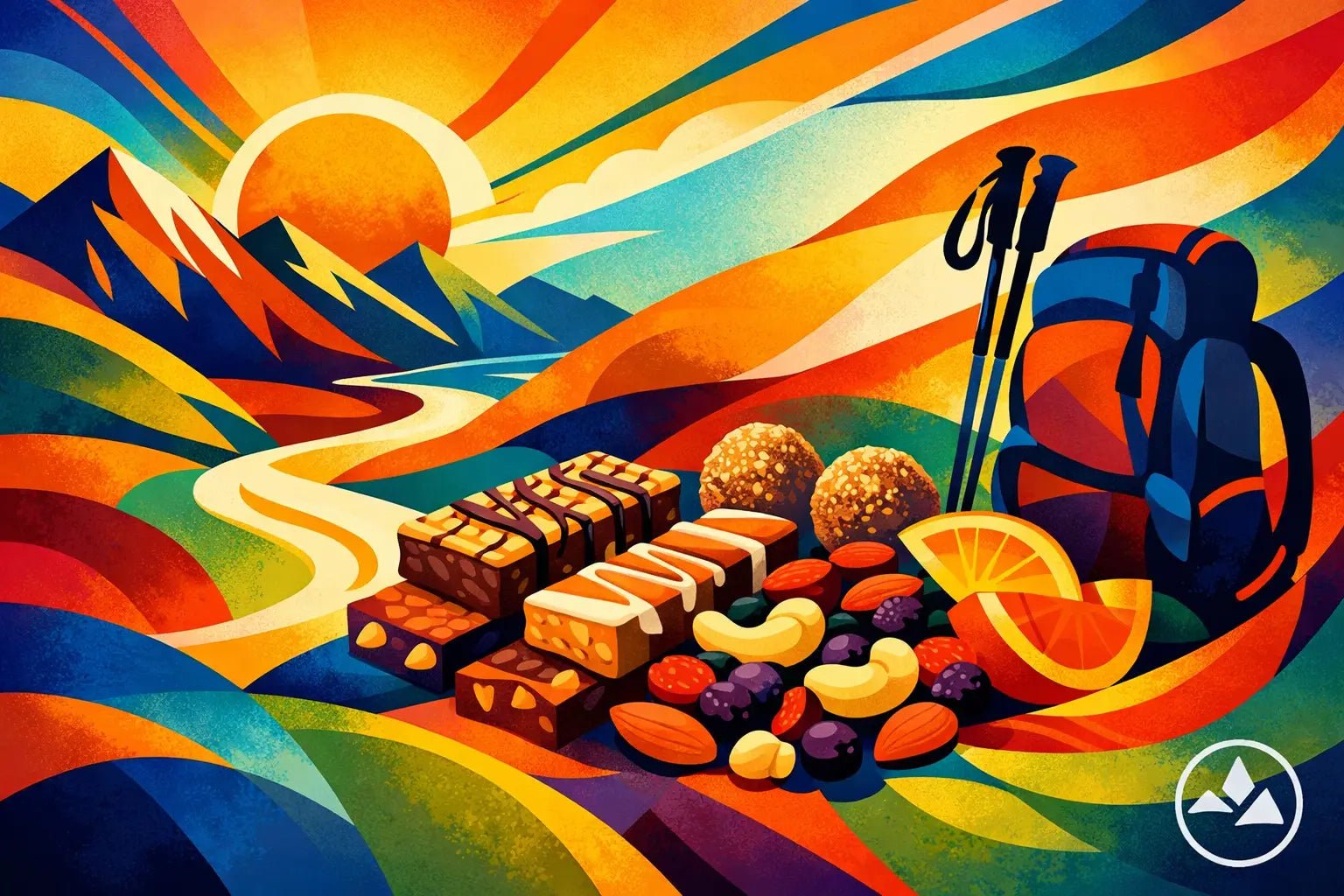
Best Snacks for Long Hikes That Last
A few miles into a long trail, your snack choice starts to matter more than your boots. The bar that tasted fine in the parking lot can turn chalky, too sweet, or impossible to eat when you're climbing, sweating, and trying to keep your energy steady. The best snacks for long hikes do more than fill a pocket - they help you stay strong, alert, and ready for the next switchback.
That means thinking beyond calories alone. On a long hike, you want food that travels well, tastes good when you're actually moving, and gives you a clean, reliable burst of energy without the crash. Texture matters. Ingredients matter. And if your snack can handle heat, rough packing, and a few hours in your backpack without turning into a sticky mess, even better.
What makes good snacks for long hikes?
Trail fuel should work with your body, not against it. Fast sugar has its place, especially on steep climbs or late in the day, but relying only on candy or syrup-heavy snacks can leave you riding an energy roller coaster. A better approach is to combine carbohydrates for quick fuel with some protein and fat for staying power.
That balance is what keeps a snack useful over several hours. Carbs help replenish what your muscles are burning. Protein can help with satiety and recovery, especially on full-day efforts. Fat adds density and staying power, though too much can feel heavy if you're hiking in heat or pushing a hard pace. The sweet spot usually lands somewhere in the middle - easy to digest, but substantial enough to count.
Ingredient quality also matters more on a long hike than people expect. Artificial flavors and overly processed bars can taste flat or cloying once you're deep into the trail. Real-food ingredients tend to go down easier, especially when your appetite drops a bit with effort or altitude. A snack with recognizable ingredients, a satisfying chew, and flavor that feels bright instead of sugary can make a real difference after hour three.
The best snack types for long trail days
There isn't one perfect answer for every hiker. The right mix depends on distance, temperature, pace, and your own stomach. But a few categories consistently perform well.
Energy bars are one of the easiest options because they're compact, portioned, and easy to stash in a hip belt or jacket pocket. The trick is finding bars that offer steady energy instead of a sugar blast followed by a slump. Bars made with real fruit, nuts, seeds, or functional ingredients often feel better on long efforts than bars that taste like dessert with extra protein powder. If you want one snack that covers convenience, portability, and substance, this is often the place to start.
Trail mix can be excellent when you want flexibility. Nuts bring fat and protein, dried fruit adds carbohydrates, and a few salty elements can help break up sweetness. The trade-off is portion control and digestibility. It is easy to overeat trail mix without noticing, and some mixes lean so heavily on nuts that they feel too rich during a hot or high-output hike.
Fresh fruit works beautifully for shorter long hikes or the early hours of a bigger day. Bananas, apples, grapes, or orange slices offer hydration and easy carbs, and they can feel incredibly refreshing. The downside is bulk, bruising, and shorter shelf life in a warm pack.
Jerky, meat sticks, roasted chickpeas, and similar savory snacks give you a break from sweet flavors. That can be a lifesaver when you've been eating bars and dried fruit all day. Still, these are usually best paired with a carb source instead of used on their own, since protein-heavy snacks can help satisfaction more than immediate trail energy.
Nut butter packets are another smart option, especially for hikers who want dense fuel in a very small package. They pair well with fruit, crackers, or tortillas. On their own, though, they can feel a little too heavy if you're eating while moving.
How to choose snacks for long hikes without guessing
Start with duration. If your hike is around two to four hours, you can keep it relatively simple with a mix of water, a balanced bar, and maybe one backup snack. Once you get into half-day and full-day hiking, variety starts to matter much more. Your body may still need fuel even when your taste for one specific texture disappears.
Next, think about temperature. Heat changes everything. Chocolate coatings melt, sticky bars become difficult to handle, and very rich snacks may feel less appealing. In warm weather, fruit-forward bars, lightly salted snacks, and foods with a softer, natural texture often hold up better than candy-like options. In cold weather, denser snacks can be more appealing and easier to tolerate.
Then consider intensity. A casual scenic hike allows for more substantial snacking. A steep, fast-paced climb usually calls for smaller, more frequent bites that digest easily. If you're breathing hard, the perfect snack is not always the one with the most nutrition on paper. It's the one you can actually eat.
Why balanced energy matters more than pure sugar
A lot of classic trail snacks were built around quick sugar, and there is a reason they stuck around. Fast carbs can help when you need immediate fuel. But for long hikes, especially anything with sustained effort, all-sugar snacks can leave you hungry again fast.
Balanced snacks give your body a steadier rhythm. Instead of a spike and fade, you get a more even release of energy that feels cleaner and easier to maintain. This is especially helpful on rolling terrain, longer climbs, or all-day adventures where you want to avoid the bonk rather than recover from it.
This is one reason functional bars have become such a strong trail companion. When a bar combines carbohydrates, protein, and whole-food ingredients in a portable format, it can bridge the gap between convenience and performance. For hikers who care about ingredient transparency, this matters just as much as the macros.
Real-food bars deserve a spot in your pack
If you're building a go-to system for snacks for long hikes, real-food bars are hard to beat. They offer consistency, they travel well, and they don't require prep on the trail. But not all bars perform the same way once sweat, heat, and hunger enter the picture.
The most useful bars tend to avoid the extremes. Too much protein and the texture can turn dense or dry. Too much syrup and they become sticky and overly sweet. The bars that shine outdoors usually land in a middle zone - satisfying, naturally flavorful, and easy to chew without feeling like work.
That is where tropical, fruit-forward ingredients can stand out. A bar built around nutrient-dense fruit, balanced with protein and real-food ingredients, can feel brighter and more energizing than the standard cookie-dough approach. PEJI BAR leans into that sweet spot with pejibaye, a tropical fruit known for clean energy and substance, creating a trail snack that feels grounded, vibrant, and built for movement rather than just shelf appeal.
When to eat on a long hike
Even a great snack won't help much if you wait until you're drained. Most hikers do better when they start eating before they feel depleted. For longer outings, a small snack every 60 to 90 minutes works well for many people, though some prefer lighter bites more often.
This is not a hard rule. If you're climbing hard, you may want carbohydrates sooner. If you had a substantial meal before the trail, you may need less in the first hour. What matters is staying ahead of the crash instead of reacting to it.
It also helps to rotate textures and flavors. Something chewy in the morning, something salty midday, something slightly sweet later on - that variety keeps food appealing when fatigue starts to dull your appetite.
Common mistakes hikers make with trail snacks
One of the biggest mistakes is packing snacks you only like in theory. A nutrition label can look perfect, but if the flavor is boring or the texture feels dry when you're exerting yourself, you probably won't eat enough.
Another mistake is going too heavy on foods that are all fat or all protein. Those can be useful as part of your lineup, but they usually work better as anchors than as your only fuel source. Long hikes typically reward balance.
Hydration is the other missing piece. Sometimes what feels like low energy is partly dehydration or low electrolytes. Snacks and water need to work together. If your snacks are especially salty or protein-heavy, that connection matters even more.
A simple way to pack smarter
Think in layers instead of loading your backpack with random bars. Bring one dependable balanced snack, one quick-carb option, and one savory or backup choice. That gives you enough flexibility to match changing conditions, cravings, and effort levels without overcomplicating things.
If your hike is especially long, pack more than you think you'll need. Extra food is rarely the thing people regret carrying. Running short, on the other hand, can turn a beautiful day outside into a slow grind.
The best trail snacks are the ones that make the day feel bigger, not harder. Choose foods that taste alive, travel well, and give you steady energy you can trust. When your fuel is working with you, every ridge, forest stretch, and final climb feels a little more open - and a lot more enjoyable.