
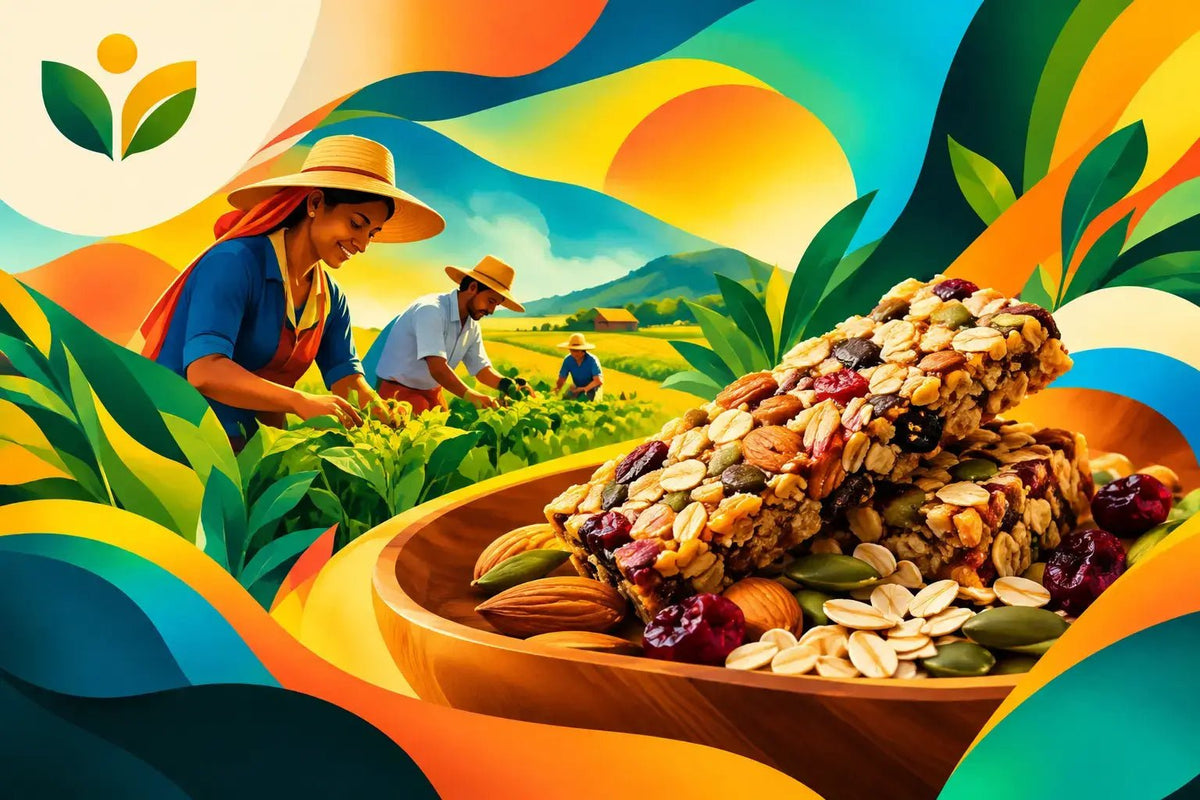
Why Small Farmer Sourced Snacks Taste Different
A snack can carry more than protein, carbs, and calories. It can carry the character of the soil, the care behind a harvest, and the vivid flavor of ingredients grown where they naturally thrive. That is what makes small farmer sourced snacks feel different from the forgettable bars and packaged bites lining so many convenience shelves.
For active people, ingredient choices are practical. You need fuel that fits in a gym bag, desk drawer, trail pack, or carry-on. But when that fuel is made with real foods connected to small-scale growers, it can also make a demanding day feel a little more grounded. Better energy and better food stories do not have to compete.
What Small Farmer Sourced Snacks Really Mean
Small farmer sourcing is not a decorative phrase for a package. At its best, it describes an ingredient supply chain that includes farms operated by individuals, families, or local communities rather than only enormous industrial operations. These growers may cultivate a single crop for generations, work with diverse plantings, and bring deep regional knowledge to when and how food is grown.
That does not mean every small farm is automatically organic, regenerative, or perfect. Farming conditions vary widely, and responsible sourcing requires transparency, fair relationships, and a willingness to keep improving. Still, choosing ingredients connected to small farmers can create space for something large-scale commodity systems often flatten out: variety, flavor, cultural heritage, and human connection.
For snack lovers, the result is often more exciting than another generic chocolate-peanut option. Think bright tropical fruit, warming ginger, rich cacao, toasted coconut, and ingredients with a real sense of place. A bar can be convenient without tasting like it was designed by a spreadsheet.
Why the Source Changes the Snack
Flavor starts long before the wrapper
A great snack starts at the farm, not the factory. Fruit grown in the climate it loves can bring naturally expressive flavor, which means a product does not need to lean as hard on artificial-tasting sweetness or vague “natural flavors” to make an impression.
Pejibaye is a powerful example. This nutrient-dense tropical fruit has long been part of Central and South American food traditions, and its earthy, satisfying character brings something new to functional snacking. It is not trying to imitate a candy bar. It offers a different kind of energy - one that feels warm, tropical, and rooted in real food.
When ingredients are chosen for their distinct qualities instead of their ability to be sourced as cheaply as possible, each bite has more personality. That matters when you eat the same grab-and-go snacks week after week.
Better questions lead to better choices
Small farmer sourced snacks invite shoppers to ask useful questions: Where did this ingredient come from? Who benefits from its production? Is the brand clear about what is actually in the package?
You do not need a detailed farm report before eating a snack. Busy mornings and early trail starts are real. But brands should make it easier to choose with confidence by naming ingredients clearly, avoiding unnecessary fillers, and treating sourcing as an ongoing responsibility rather than a marketing prop.
The most useful signals are usually straightforward: recognizable ingredients, a clear explanation of the hero crop, an honest approach to nutrition, and a mission that shows up beyond the label. Vague promises of “clean” or “natural” are not enough on their own.
Small farms can help protect food diversity
Food systems become less resilient when everyone grows, buys, and eats the same narrow group of crops. Small farms can help preserve regional varieties, traditional cultivation knowledge, and ingredients that do not fit neatly into the standard American snack aisle.
That is where tropical superfoods become more than a trend. Choosing a fruit like pejibaye opens the door to a broader idea of nourishment. It recognizes that endurance fuel has many cultural origins and that the next satisfying pre-run snack does not have to come from the same familiar list of ingredients.
Small Farmer Sourced Snacks for Real Life
The best ethical snack is still one you will actually eat when you need it. A bar that tastes admirable but sits untouched at the bottom of your backpack is not doing much for your energy or your routine.
Look for a balance of carbohydrates, protein, and fats that works for your activity. Before a workout or hike, many people prefer something easy to eat with enough carbohydrates to provide usable energy. During a long day between meals, protein and satisfying whole-food ingredients can help a snack feel more substantial. After movement, the right choice depends on your total meal plan, workout intensity, and when you expect to eat next.
There is no universal “best” bar. A runner heading out for a morning tempo session may want something lighter than a hiker packing food for several hours outdoors. A busy professional may care most about avoiding the sharp rise-and-crash feeling that follows a candy-heavy afternoon snack. The right option depends on the moment.
What should stay consistent is the standard: your snack should taste good, travel well, and provide energy you can trust.
How to Spot a Snack Worth Bringing Along
A thoughtful ingredient list is a strong starting point. Look for foods you recognize and flavors that come from actual ingredients, such as fruit, cacao, nuts, seeds, or spices. Protein matters, especially when you need a snack with staying power, but it does not have to come with a long list of binders and artificial extras.
It also helps to consider the sensory test. Does the bar have a flavor you would choose even if it did not claim a functional benefit? Real nourishment should still be enjoyable. Mango, banana, ginger, chocolate, and tropical fruit can turn a rushed bite between meetings into a quick reset instead of another chore.
Finally, examine the brand’s actions. Support for small farmers is more meaningful when it is part of a wider commitment to responsible sourcing and environmental care. PEJI BAR brings that mindset to tropical energy bars built around pejibaye, pairing adventure-ready nutrition with support for small farmers and rainforest preservation.
The Trade-Offs Are Worth Understanding
Sourcing from smaller producers is not always the easiest route. Harvest volumes can shift with weather. Seasonal availability may affect supply. Traceable ingredients can cost more than standardized commodities, especially when growers are paid fairly and quality standards are taken seriously.
Those realities can affect price and product availability. For some shoppers, budget will be the deciding factor, and that is valid. Affordable food access matters. Yet when you have room in your snack budget to choose intentionally, spending on products that prioritize real ingredients and responsible sourcing can support a more flavorful, more diverse food system.
It is also wise to resist simple stories. “Small farm” does not erase the need for food safety, labor accountability, or sustainable agricultural practices. The strongest brands share what they know, avoid inflated claims, and keep doing the work after the package design is complete.
A More Energizing Way to Snack
There is a particular satisfaction in reaching for food that matches the way you want to move through the day. A snack made with purposeful ingredients can fuel a sunrise run, a packed schedule, a steep switchback, or the final stretch before dinner. When those ingredients are tied to small farmers and tropical food traditions, that energy carries a deeper sense of connection.
Next time you stock your pantry or pack for an adventure, choose the snack that gives you a burst of natural energy and a reason to feel good about the story behind every bite.