
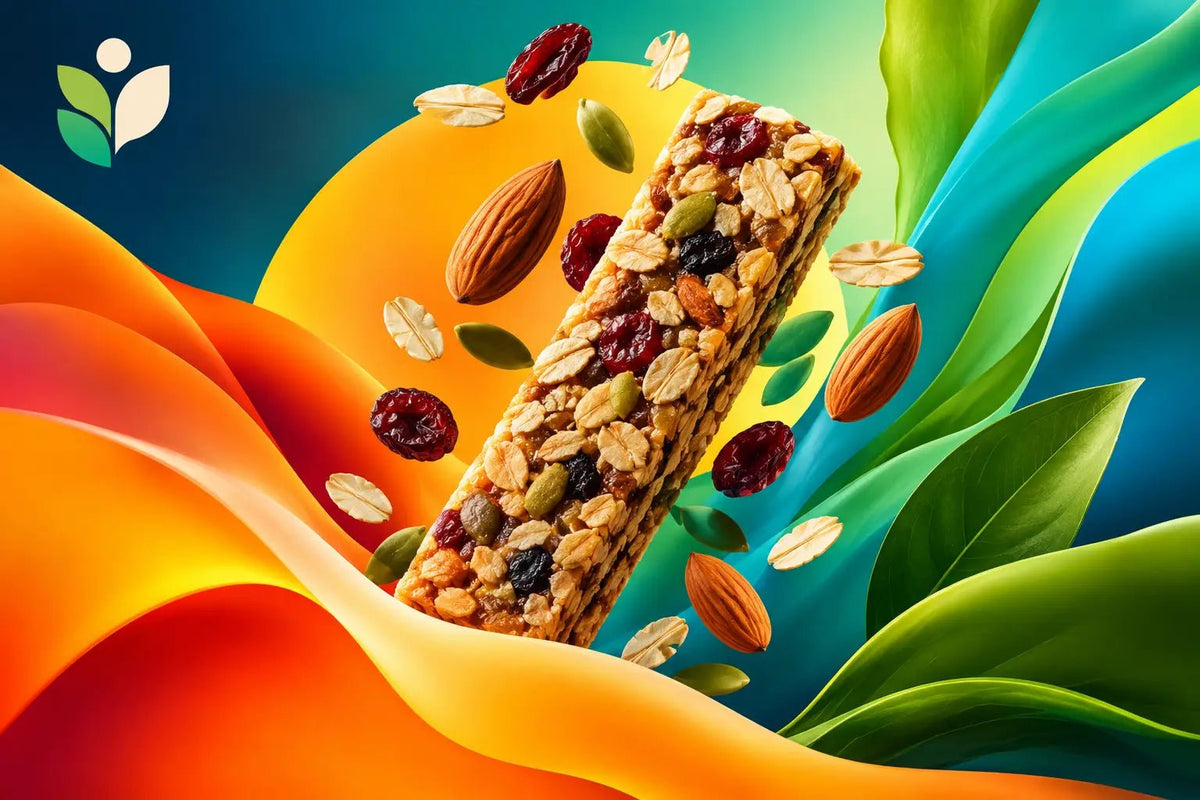
What Makes a Bar Clean Label? A Better Bite
The wrapper says “clean label,” but the ingredient list tells the real story. For anyone packing fuel for a trail day, a long meeting, or the final miles of a run, what makes a bar clean label is not a trendy front-of-pack claim. It is the confidence that each bite is built from recognizable food, purposeful nutrition, and a standard of transparency that holds up when you turn the package over.
A clean-label bar should feel like a smart shortcut, not a chemistry experiment. That does not mean every ingredient has to come straight from a farmer’s market. It means the ingredients have a clear reason to be there, the processing is not hiding behind confusing language, and the bar delivers the kind of energy it promises.
What makes a bar clean label?
At its core, a clean-label bar is made with ingredients people can recognize and understand, with fewer unnecessary additives, artificial flavors, artificial colors, and heavily engineered fillers. It prioritizes real-food nutrition while being honest about what is inside.
There is no single federal legal definition for “clean label,” so shoppers should be thoughtful rather than taking the phrase at face value. One brand may use it to mean no artificial sweeteners. Another may mean a short ingredient list, organic ingredients, or minimal processing. The strongest clean-label bars communicate their standards clearly and let the label do the talking.
For an active person, that distinction matters. A snack can look wholesome on the front while relying on several syrups, isolates, flavor systems, and preservatives in the back. A clean label asks a better question: does this food give your body useful fuel in a form you feel good about eating often?
Start with ingredients you recognize
The fastest way to assess a bar is simple: read the ingredient list from top to bottom. You do not need a nutrition degree to spot the difference between foods and filler.
Think of ingredients such as fruit, nuts, seeds, oats, dates, coconut, cocoa, spices, and thoughtfully selected protein sources. A tropical superfruit like pejibaye belongs in that conversation, too. This nutrient-dense fruit has long been valued in Central and South America as a satisfying source of natural energy, with a rich, earthy character that brings more than just sweetness to the bar.
Recognizable does not always mean familiar. Pejibaye may be new to many American snack shoppers, but an unfamiliar whole-food ingredient can still be wonderfully clean label when its source and role are clear. The point is not to avoid every ingredient you have never seen. The point is to know what it is, why it is there, and whether it supports the bar’s purpose.
Shorter ingredient lists often help, but shorter is not automatically better. A three-ingredient bar made mostly of added sugar may be simpler than a 10-ingredient bar, yet less balanced for sustained energy. Look for an ingredient list that is both understandable and nutritionally intentional.
Watch for the extras that do not earn their place
Convenience snacks need to hold together, travel well, and taste great. Some processing is practical and expected. The question is whether the extras improve the experience or merely make a cheap formula easier to manufacture.
A clean-label approach generally avoids artificial colors, artificial flavors, and artificial sweeteners. It also takes a closer look at excessive preservatives, hydrogenated oils, and long strings of additives that are difficult to identify. These ingredients are not always dangerous by definition, but they can be a sign that a bar is designed more around shelf engineering than real-food nourishment.
Added sugar deserves the same clear-eyed attention. Fruit can bring natural sweetness alongside fiber and flavor. Syrups and sweeteners can be useful in moderation, especially in an active snack, but they should not overwhelm the rest of the formula. If the first few ingredients are multiple forms of sugar, the bar may deliver a quick burst followed by the kind of energy dip that makes a busy afternoon feel even longer.
Clean label is not about perfection or food fear. It is about choosing a bar whose ingredients work together in a way that makes sense for your body and your day.
Look beyond the front-of-pack claims
Words like “natural,” “protein-packed,” and “plant-based” can be useful starting points, but none guarantees a clean label. A protein bar can contain plenty of protein while also being loaded with sweeteners or highly processed ingredients. A plant-based bar can still be mostly syrup and starch. A natural claim can be broad enough to mean very little without context.
Turn the package around and check three things: the ingredient list, the nutrition facts panel, and the brand’s explanation of where its ingredients come from. A trustworthy bar should make it easy to understand all three.
For sustained adventure energy, look for a balance of carbohydrates, protein, and fats rather than one oversized nutrition claim. Carbohydrates provide ready fuel. Protein helps make a snack more satisfying and supports muscle recovery after movement. Fats from foods like nuts and seeds can add staying power and a satisfying texture. The right balance depends on your needs: a pre-run snack may call for something lighter, while a post-hike or between-meetings bar may benefit from more protein and substance.
Clean label also means honest sourcing
The clean-label conversation should not stop at the ingredient list. Where food comes from, who grows it, and how it is produced all shape what a mindful snack choice means.
Sourcing with care can support better flavor, stronger ingredient quality, and a more meaningful connection to the people and places behind a bar. When a brand works with small farmers, values culturally rooted ingredients, and considers its environmental footprint, the bar carries a purpose beyond the wrapper.
That does not mean every clean-label bar must be organic, local, or packaged without any environmental impact. Tropical ingredients, for example, naturally travel farther to reach US shoppers. The better standard is transparency and progress: responsible partnerships, thoughtful sourcing decisions, and a willingness to protect the ecosystems that make remarkable foods possible.
PEJI BAR brings that mindset to tropical nourishment by centering pejibaye and supporting rainforest preservation and restoration. It is a reminder that real energy can be connected to real places, not just a flavor name on a box.
Taste matters, because a clean bar should still be a great bar
There is a persistent myth that clean-label snacks have to taste dry, bland, or overly worthy. Not true. A bar can be made with straightforward ingredients and still deliver bright mango, deep cocoa, creamy banana, toasted coconut, warm spice, and the satisfying chew that makes you reach for another one.
In fact, a well-made clean-label bar often tastes more vivid because the ingredients are doing the flavor work. Real fruit tastes like fruit. Cocoa has depth. Nuts bring richness. A tropical superfood can add its own distinctive, grounding character rather than disappearing beneath a cloud of artificial flavor.
Texture is part of the experience, too. Some people want a soft, chewy bar for an easy desk snack. Others prefer crunch for a trail break. Neither is more clean label than the other. What matters is that the texture comes from ingredients with a purpose, not from a long list of industrial workarounds.
How to choose a clean-label bar for your routine
The best bar is the one that fits your real life. If you are heading out for a morning ride, look for easily digestible energy that will not sit heavily. If you need a lunch-gap snack between calls, seek enough protein and whole-food substance to keep hunger from taking over. If you are refueling after strength training or a long hike, consider a bar with meaningful protein plus carbohydrates to replenish energy.
Then use the label as your compass. Can you recognize the main ingredients? Is sugar in proportion to the bar’s purpose? Does the nutrition support the moment you plan to eat it? Does the brand explain its sourcing and standards without vague promises?
Those questions turn clean label from a marketing phrase into a practical habit. The next time you unwrap a bar, choose one that brings honest ingredients, satisfying flavor, and a burst of natural energy worthy of wherever the day takes you.